Did you like the Blog?

Health Line. Must read.!!

A quick test to determine whether your wound needs stitches is to wash the wound well and stop the bleeding, and then pinch the sides of the wound together. If the edges of the wound come together and it looks better, you may want to consider getting stitches.

Showing posts with label Articles. Show all posts

Tuesday, August 23, 2011

Cause of fatal paralytic disease discovered

Scientists claim to have discovered the common cause of all forms of amyotrophic lateral sclerosis (ALS), a fatal neurodegenerative disease that paralyzes its victims.

The underlying disease process of ALS has long eluded doctors and prevented development of effective therapies. Now, a team at Northwestern University has for the first time discovered that the basis of the disorder is a broken down protein — identified as ubiquilin2 — recycling system in the neurons of the spinal cord and the brain.
Optimal functioning of the neurons relies on efficient recycling of protein building blocks in the cells. In ALS, that recycling system is broken. The cell can’t repair or maintain itself and becomes severely damaged.
In fact, ubiquilin2’s critical job is to recycle damaged or misfolded proteins in motor and cortical neurons and shuttle them off to be reprocessed. In people with ALS, it isn’t doing its job. As a result, the damaged proteins and ubiquilin2 accumulate and cause degeneration of the neurons. Cough may help during heart attack

Saturday, August 20, 2011

Goodness of tea


Here the benefits of tea for good health are outlined:

Tea is the second most consumed beverage in the world. A hot cup of tea, when you wake up in the morning, is hard to resist. Although, in India,black tea with milk and sugar is the most common way of drinking this beverage, in recent times, green tea and herbal tea have also become popular in urban areas. Uncommon varieties of tea are white tea and oolong tea. Green tea undergoes minimal oxidation and processing whereas black tea is highly oxidised.


ANTIOXIDANTS IN TEA:

For centuries man has been drinking tea, but the science behind its goodness has been discovered only some years ago. The most talked-about beneficial substance in tea is its flavonoids.Flavonoids are a group of antioxidants that are present in tea and many other foods. Catechins (a sub group of flavonoids) are found in large quantities in green and white tea. Black tea contains theaflavins and thearubigins (both antioxidants).

HEALTH BENEFITS:

Several research studies have been conducted on tea and its influence on reducing the risk of diseases. Some of these studies look very positive.
· Antioxidant properties in tea help protect cells from oxidative damage. Those who are at risk of heart disease or stroke might benefit from drinking tea regularly because it has a positive effect on blood vessels.
· Black tea has attracted some attention in India due to its role in fighting inflammation. Tea is a good source of fluoride which contributes to dental health.
· Emerging research says there might be a connection between tea and mental function. Although some people claim that green tea helps in weight loss, more evidence is required.
· Moreover, tea all by itself cannot help in losing weight, if the rest of the lifestyle is not conducive to weight loss.

FOOD FOR THOUGHT

New drug can extend life span of the obese

Sustaining the flickering hope that human aging might somehow be decelerated; researchers have found they can substantially extend the average life span of obese mice with a specially designed drug.

The drug, SRT-1720, protects the mice from the usual diseases of obesity by reducing the amount of fat in the liver and increasing sensitivity to insulin. These and other positive health effects enable the obese mice to live 44% longer, on average, than obese mice that did not receive the drug, according to a team of researchers led by Rafael de Cabo, a gerontologist at the National Institute on Aging.

Drugs closely related to SRT-1720 are now undergoing clinical trials in humans. The findings “demonstrate for the first time the feasibility of designing novel molecules that are safe and effective in promoting longevity and preventing multiple age-related diseases in mammals,” Dr de Cabo and colleagues write in the new journal Scientific Reports. Their conclusion supports claims that had been thrown in doubt by an earlier study that was critical of SRT-1720.

A drug that makes it cost-free to be obese may seem more a moral hazard than an incentive to good health. But the rationale behind the research is somewhat different: the researchers are trying to capture the benefits that allow mice on very low-calorie diets to live longer.

It just so happens that such benefits are much easier to demonstrate in mice under physiological stress like obesity than in normal mice. “The drugs could be used as a preventive , but I don’t think they will ever be an excuse to abuse your body,” said David Sinclair, a biologist at Harvard Medical School and co-chairman of the scientific advisory board of Sirtris, which developed SRT-1720.

What causes dark circles?

Dark circles under the eyes are caused by several factors, some of which are avoidable and can be prevented and treated easily.
The most common causes for dark circles are:
· Skin allergies:
The skin around the eyes is delicate and prone to eczema. Eyeliners, kohl and eye shadows trigger eczema. In some cases, the person may develop an allergy to his/her own oil or sweat and the skin usually appears coarse and wrinkled. Damage control includes exfoliating packs to even out the skin texture and gels for skin lightening.
· Sinusitis:
Sinus or nasal inflammation results in venous congestion, which can cause bruising around the bridge of the nose and eyes, giving rise to the appearance of dark circles. The condition is accompanied by headaches and patients constantly rub their eyes. Treating sinusitis or the allergy is the first step and this can reduce the dark circles in most cases. However, in some cases, eye packs and face packs may be also be required to treat the allergies.
Lack of nutrients:
Iron deficiency or lack of vitamin C can cause dark circles. Women with low haemoglobin count find dark circles becoming more prominent during their period. Skipping meals or consuming too much coffee can cause dark circles. Chronic illnesses like stomach or thyroid problems or sudden and severe weight loss cause dark circles. Identifying and correcting the deficiency often reverses dark circles. 


Fatigue, stress and lack of sleep:


These triggers are avoidable and the solution is to get more rest. But with increasing work and domestic responsibilities, many people do not get enough rest. Treating anxiety and forcing a break to de-stress is important. 

Now probiotic drugs sold over counter

Efficacy Not Proven, Warn Docs
Kill your diarrhoea with good bacteria. That’s the latest fad in healthcare. Almost every pharmaceutical company now has a brand of probiotic drug and some are even being commercially marketed off the counter.

Probiotics are foods that contain live bacteria. It is the bacteria and metabolites which they produce that give probiotics their health-promoting properties. The best known example is yogurt.

While some doctors are excited about chances of treating even severe intestinal disorders with probiotics, many say this is a huge money-spinner. Doctors are still assessing whether these drugs can be an alternative to antibiotics considering the increasing cases of antibiotic resistance in India.


WHAT IS PROBIOTIC?

• Live micro-organisms which when administered in adequate amounts confer a health benefit on the host, says World Health Organisation 

• It means introducing good live bacteria into your intestine to fight off bad bacteria 

• Lactic acid bacteria and bifidobacteria are the most common types of microbes used as probiotics 

Indian Council of Medical Research (ICMR)-appointed committee member and consultant gastroenterologist, Manipal Hospital, Dr Dinesh Kini, is part of the research team on probiotics. He says probiotics can’t be an alternative to antibiotics. “They’re a huge money-spinner that are pharmaceutically motivated and currently being used unscientifically. There is less scientific data on probiotics. It may, however, be used by travellers for diarrhoea, colitis, inflammatory bowel diseases and antibiotic-associated diarrhoea. It is not the wonder drug that it’s being projected to be,” he asserts.


“We need robust and randomized clinical trials to say with confidence that they have positive impact on health. The market is flooded with various brands of probiotics,” he adds.

“These are micro-organisms that colonize your intestine and remove harmful bacteria. The best natural probiotics are in yogurt and soy yogurt, which can be eaten on a regular basis even without a prescription. But people consume them less these days. So it is available in tablet and liquid forms. Research is being conducted to see its impact on colon cancer and urinary tract infections,” explains Dr B S Ravindra, consultant gastroenterologist, BGS Global Hospital.


There was a sudden increase in the prescription of probiotics recently. It was seen that they had a positive effect on patients who were under antibiotics for long and suffering from irritable bowel syndrome. Even patients who recurrently suffered from bouts of gastroenteritis showed good recovery.

“Use of probiotics has definitely increased. It’s true that yogurt and curds contain probiotics but those cannot be quantified. It is a great source of medication but I do not suggest that people buy it off the counter just for fitness. The quality and dosage of this live bacteria cannot be assured if it’s used without monitoring,” said Dr Ravishankar Bhat, consultant gastroenterologist, Apollo Hospitals.

AVAILABLE IN STORES
Pro-biotic yogurts and fortified supplements are available in almost all stores. I have tried them many times since they claim to have health benefits and assist in digestion but am not sure whether these claims are true.

THE BENEFITS


Experts agree that it may be helpful to those who have been consuming antibiotics for a long time. It may help in breeding good bacterial flora in the intestine and considered useful for irritable bowel syndrome.

GUIDELINES ON USAGE

ICMR released guidelines on the use of probiotics this year. It says: “Probiotics have been suggested to be associated with alleviation of lactose intolerance, prevention and cure of viral-, bacterial- and antibiotic- or radiotherapyinduced diarrhoea, anticarcinogenic effects and even blood cholesterol reduction. The optimism associated with probiotics is, however, counterbalanced by scepticism as many probiotic products in the market are unreliable in content and unproven clinically.’’
YES OR NO? Doctors are still assessing if these drugs can be an alternative to antibiotics
    

Tuesday, August 16, 2011

Body Basics

‘I have a tendency to lose weight easily’

...so actor Purab Kohli focusses on his diet and makes sure not to overdo cardio exercises


MY EXERCISE REGIME 
I work out everyday but my workout keeps changing. Of late, I’ve built into the character I’m playing. So with each character, I imagine what body type he would be and then plan my workouts to achieve that. If the character demands high intensity cardio and weights, I will be at the gym for two hours. If it is a rural character, then I opt for outdoor sports, rope climbing, running for a more natural definition. 

MY PROBLEM AREAS 
Luckily I don’'t have any problem areas, but that’s because I am always active. I am either playing a sport or at the gym. I do, however, have a tendency to lose weight very easily. So I have to focus on my diet and make sure I don’t overdo cardio exercises. 

MY STRENGTHS 
I think it’s my stamina. Fitness has been an integral part of my life, so over a period of time I have built resistance and stamina. That works in my favour when I am experimenting with my fitness routines. I enjoy physical activity so I don’t know if that makes me a fitness freak. 

MY DIET 
It completely depends on my mood. I go through phases. There are some days where I only eat vegetarian food and on the others, I eat everything. Sometimes, when I have to, I prepare my body for a certain character and bulk up on protein. I do have a sweet tooth and love ice-creams, cakes and mithais. But I avoid overeating, and if I do, then I spend an extra 15 minutes on the treadmill. 

Monday, August 15, 2011

Has our brain reached full capacity?


‘People May Not Get Smarter Since Grey Matter Has Stopped Evolving’
Scientists have claimed that the human brain may have reached its full capacity and can’t get cleverer.
    A team at Cambridge University, led by Professor Simon Laughlin, says this is because the people are unable to provide the amount of extra energy and oxygen needed to become more intelligent.
    The scientists have based their findings after analysing the structure of the brain and worked out how much energy its cells use up.
    Professor Simon Laughlin was quoted by the British media as saying, “We have demonstrated that brains must consume energy to function and that these requirements are sufficiently demanding to limit our performance and determine design. Far-reaching powers of deduction demand a lot of energy because for the brain to search out new relationships it must constantly correlate information from different sources.
    “Such demands mean there is a limit to the information we can process.”
    The scientists say that the wiring inside the brain would need vast amounts of extra energy to become more efficient. As it’s impossible for humans to provide this, they can’t become any smarter.
    In their research, the team measured the efficiency with which different parts of the brain communicated with each other and found impulses travelled fastest in smarter people and slower in those who were less intelligent.
    “High integration of brain networks seems to be associated with high IQ. You pay a price for intelligence. Becoming smarter means improving connections between different brain areas but this runs into tight limits on energy, along with space for the wiring,” Ed Bullmore, team member, said.
    Scientists have said that even the cleverest people might not get any brighter since our grey matter has stopped evolving. And it is all down to physics.
    One part of the theory is that scientists reckon brain cells cannot get much smaller than they are at present — meaning there will not be any further space for more of them.
    It is also thought the number of connections between brain cells cannot rise much more due to the amount of energy they consume.
    Research has shown that the better connected the parts of the brain, the higher a person’s IQ. It means if we turned any smarter the impact on our body’s power supply would be immense.
    According to Ed Bullmore, professor of psychiatry at Cambridge, all of us have “to pay a price for our intelligence”.
    Laughlin also feels the brain evolution could go into reverse if human circumstances change - for instance if there were a shortage of food. He said, “The fact that brains both expand and contract during evolution shows that the optimum balance changes with circumstances.

Saturday, August 6, 2011

Love your body


A new study has found that improving body image can enhance the effectiveness of weight-loss programs based on diet and exercise. Researchers from the technical university of lisbon and bangor university enrolled overweight women on a year long weight loss program. In the study, half the women were given general health information about good nutrition, stress management, and the importance of looking after yourself. The other half attended 30 weekly group sessions where issues such as exercise, emotional eating, improving body image and the recognition of personal barriers were discussed. It was seen that the way they thought about their body improved and that concerns about body shape and size were reduced. Compared to the control group, they were better able to self-regulate their eating and they lost more weight. “body image problems are very common among obese people, often leading to comfort eating and rigid eating patterns that are obstacles to losing weight,” said dr teixeira, who led the research. “our results showed a strong correlation between improvements in body image, especially in reducing anxiety about other peoples’ opinions, and positive changes in eating behaviour.

NO HEALING TOUCH? Pets make owners healthier a myth?

“While pets are undoubtedly good for some people, there is presently insufficient evidence to support the contention that pet owners are healthier or happier or that they live longer” than people without pets."


Herzog cites several studies purportedly showing the benefits of having a pet, including one from 1980 which showed that heart attack victims who had a pet were around four times more likely than petless victims to survive for a year after the crisis, but said more gloomy studies had been ignored.

“While the media abounds with stories extolling the health 
benefits of pets, studies in which pet ownership has been found to have no impact or even negative effects on human health 
rarely make headlines,” he said. One study conducted last year found that pet owners were more likely than non-owners of pets to die or suffer another heart attack within a year of suffering a first crisis. He cited another study which found no difference in blood pressure between older pet-owners and the petless. 

Friday, August 5, 2011

‘Insulin pump, monitor too can be hacked’

Even the human bloodstream isn’t safe from computer hackers. A security researcher who is diabetic has identified flaws that could allow an attacker to remotely control insulin pumps and alter the readouts of blood-sugar monitors. As a result, diabetics could get too much or too little insulin. 

Jay Radcliffe, a diabetic who experimented on his own equipment, shared his findings before releasing them Thursday at the Black Hat computer security conference in Las Vegas. “My initial reaction was that this was really cool from a technical perspective,” he said. “The second reaction was one of sheer terror, to know that there’s no security around the devices which are a very active part of keeping me alive.”
Medical devices like pacemakers, operating room monitors and surgical instruments including deep-brain stimulators are being made with the ability to transmit vital health information from a body to doctors . Some devices can be remotely controlled by medical professionals. Although there’s no proof that anyone has used Radcliffe’s techniques, his findings raise fears about the safety of medical devices as they’re brought into the Internet age. 

Thursday, August 4, 2011

Secret to long life lies in genes, not lifestyle

THANK YOUR PARENTS & ENJOY


    Israeli researchers studied a population of Ashkenazi Jews who have lived to age 95 and older and found that their eating and lifestyle habits were no better than those of general population. 
    In fact, men in the longlived group drank slightly more and exercised less than their average counterparts, said the findings in the online edition of Journal of the American Geriatrics Society.
    “This study suggests that centenarians may possess additional longevity genes that help to buffer them against the harmful effects of an unhealthy lifestyle,” said senior author Nir Barzilai, director of the Institute for Aging Research at Yeshiva University’s Albert Einstein College of Medicine.
    The study involved 477 Ashkenazi Jews aged 95-122 who were living independently. A total of 75% were women. All were enrolled in an ongoing study that aims to uncover the secrets to longevity.
    Ashkenazi Jews were chosen because they are more “genetically uniform than other populations, making it easier to spot gene differences that are present,” said the study. Overall, the elder group had similar habits in terms of height-weight ratio, smoking, exercise level and diet as similarly matched people in the general population.
    Data on comparison subjects came from 3,164 people who had been born around the same time as the centenarians and were examined between 1971 and 1975 while participating in the National Health and Nutrition Examination Survey.
    Twenty-four percent of long-living men drank alcohol daily, compared to 22% of the general population, while 43% of the older group exercised regularly compared to 57% of regular men. 

Sunday, July 17, 2011

Eating out


    How many times have you reached out for food when you aren’t really hungry? Does eating provide you comfort when nothing else seems to? Do

Are you an emotional eater?

You could be snacking your way to ill-health

you eat when you’re bored, angry, happy, distressed? You could be an emotional eater. Clinical nutritionist Dr Nupur Krishnan says that an eating disorder depends on the person’s psychological sense of control and is related to metabolic control. “This is especially true in young women, for whom there is the added psychological pressure for being thin. Emotional eating or binging is one of the three major eating disorders, the other two being anorexia and bulimia. People suffering from binge eating disorders are driven to eat large amounts of high calorie foods in a short period of time (sometimes 8-10,000 calories),” says Dr Krishnan. 

Effects It often results in obesity. This leads to physical and psychological stress. More often than not, emotional binging is associated with non-nutritional foods and is likely to result in multiple chronic and nutritional deficiency-related diseases. Excess sugar and concentrated starches cause havoc in the hormones of metabolism and cause blood sugar levels to fluctuate. 
Are women more prone? Experts agree that women are more likely to indulge in emotional eating than men. Clinical psychologist Seema Hingorrany says that women with eating issues often connect the food they eat directly to their body image. “They create an equation between their ‘ugly’ body part and food. Sadly, such women think they can stop eating any time to improve the way they look.
There is a strong association between food and emotion in many women, which poses a challenge to healthy eating. Emotional eating is a serious women’s health issue, and shouldn’t be ignored. If not addressed, it can spin out of control and lead to grave medical and psychological conditions, such as anorexia, depression, anxiety and even cardiovascular disease and obesity,” says Hingorrany. 
Symptoms Common emotions, which trigger binge eating include anxiety, guilt, hatred and often depression. The sole purpose of the food is to make one feel good. Never mind that after the effects wear out, eating has to be resorted to yet again! Eating when you’re not hungry, when you’re upset, when you have poor interpersonal connections with your partner are all common symptoms. Unfortunately, it is a vicious cycle. One eats because they’re upset and hate themselves for eating like that. 
Overcoming this problem Clinical psychologist and psychotherapist Varkha Chulani says that emotional eating cannot be treated by a nutritionist. “This isn’t about being able to eat right, in small quantities, at 
regulated intervals. It is about why you are determined to harm yourself. The answer then is not exercise or diet, it is emotional management. The sensible approach to this problem is to treat attitudes responsible for the persons inability to cope. Food has unfortunately become a coping mechanism. Training in sensible ideating, rethinking poor philosophies, questioning age-old ideas, is the way to go. A person is better off seeing a therapist instead of running to a dietitian or a physical trainer, because a healthy mind will lead to a healthy body,” adds Chulani. 

• Don’t use food as an emotional stress reliever 

• Eat on a pre-set schedule, dividing your intake throughout the day. Don’t skip meals 

• A nutritious diet rich in green leafy vegetables, fruits, rice and oats is a must. Your diet should contain no refined sugar, corn syrup, honey or other concentrated simple sugar sources or foods made from them. Limit potatoes, wheat, corn, breads, rolls, pasta because of their unfavourable effect on blood sugar levels 

• Divide your day’s calories into five to six parts and try to schedule one fourth of the total about every four to five hours while you are awake 

• Never go for long periods without eating. Plan what you will eat, when and where to eat 

• Zinc is often deficient in people who binge. Including zinc in your diet is especially important to battle this disorder because it increases appetite


Emotional eaters are driven to eat large volumes of high-calorie foods in a short period of time.

Homeopathy relieves breathing disorders


HEAL WITH HOMEOPATHY

    Bronchitis is one of the major respiratory disorders for which patients seek medical care. It occurs when the air passages in the lungs become inflamed. Bronchitis can be acute, or chronic. The latter is characterised by productive, persistent cough. The mucous so produced by the inflamed airways can prompt scar tissue to form in the lungs, making breathing laborious. 

    Acute bronchitis is often triggered by the same viruses that cause the common cold. Other triggers include exposure to cigarette smoke and bacterial infection. Chronic bronchitis may, likewise, be triggered by cigarette smoke, prolonged exposure to pollutants in the air and dust. Statistics suggest that 40-45 per cent of smokers develop chronic bronchitis sometime in their lives. It is also suggested that snoring may be an annoying condition accompanying chronic bronchitis. It is unfortunate that the death rate, due to certain complications of bronchitis, has increased over the last ten years. One can blame this on laxity, or not heeding to early warning symptoms, such as allergic cough or sinusitis. 
    A number of issues are taken into account while selecting a suitable homeopathic remedy for a given case. In certain instances, the selection of the most appropriate homeopathic remedy is based essentially on the nature of the sputum. The homeopathic remedy, Pulsatilla, is given when one presents with bile-like expectoration. Kali Carbonicum is indicated when there is breathlessness, worse while lying down, and when the sputum has an old cheeselike taste. Arsenicum Album is, like
wise, prescribed for individuals who, by nature, are perfectionists, suffer from chronic bronchitis, and throw up milky sputum. 
    Homeopathy not only treats the cause of bronchitis, but also its symptoms from the inside-out. It aims to pre-empt complications, too. Homeopathy stimulates our body’s defences; it also augments general and overall health. There is documented evidence of bronchitis patients showing significant improvement in their breathing capacity following homeopathic treatment. A study comparing the efficacy of homeopathic remedies as against conventional medicine in the treatment of lower respiratory tract illnesses, including allergies such as bronchitis, showed a response rate of 82.6 per cent in the homeopathic group as compared to 67.3 per cent in the group receiving conventional medicine. 

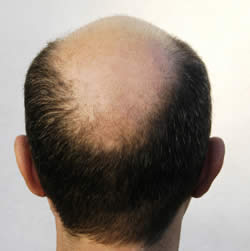
Hair loss


Keep your hair on!

Dr Chandrashekhar and Dr Nishat of Hairline Clinic suggest ways to prevent hair loss


 Does vitamin D deficiency lead to hairfall? Vitamin D helps hair follicle maturation and anagen cycle initiation, thereby promoting hair growth. What other vitamins and minerals are essential for hair growth? Vitamins A, B6, C, D E and folic acid, and minerals such as silica, iodine, zinc and iron promote hair growth. Foods such as almonds, beef, chick peas, fish, citrus fruits, cows milk, oats, whole meat and soy beans are sources of these vitamins and minerals. 
What are advanced treatments for male and female pattern baldness?The most advanced treat
ment is PRP. It acts by stem cell binding, growth factor concentration and tissue regeneration. Growth factors include EGF, FGF, PDGF, TGF (alpha and beta) IGF, VEGF and interleukin 1. 
What can arrest abnormal hair loss? Current advanced platforms for hair loss being used are Lithium, Platelet rich plasma, Hair transplant (Strip/FUE) using ACell matrix, hair weaving/bonding, long hair transplant, tissue expansi
on/scalp reduction, etc.

Effect of Pain killers


Are you on a pill-popping spree?

An increasing number of people take painkillers without prescriptions, knowing little about the damage it can have on their health. BT tracks this dangerous trend

    Do you often pop painkillers just to seek relief from a backache, body pain or a migraine? Or perhaps, in order to go to work the next morning after a night of partying hard? And almost all the time, have you been
popping pills without a prescription? If yes, then you’re heading for trouble. Read on to find out why you should quit doing so...
WHAT ARE PAINKILLERS? In medical terms, painkillers are known as analgesics. An analgesic is a type of drug that is used to relieve pain or achieve analgesia. The word analgesic is derived from the Greek words ‘an’ meaning ‘without’ and ‘algos’ meaning ‘pain.’ Painkillers are prescribed to those suffering from arthritis, rheumatoid arthritis and as a part of the recovery process for those who have undergone surgeries.
    A lot of people take painkillers to seek relief from terrible backaches, painful migraines and body pain. They do so in order to seek anti-inflammatory effects. Orthopaedic Dr Vivek Shetty says, “Anti-inflammatory drugs provide reduction in swelling of the muscles. These drugs can have analgesic properties, but analgesic need not be anti-inflammatory.” He says that drugs like paracetmol possess anti-inflammatory properties and are not painkillers. Drugs like ibuprofen and tramadol are painkillers, and morphine — which is the highest order and purest form of painkillers — is given to cancer patients who suffer severe pain.
HOW DO THEY WORK? When a certain part of the body is negatively affected, unpleasant emotions are experienced in the brain. Painkillers act at the level of the nerve receptors in the brian to block the painful sensation. Neurologist Dr PP Ashok says, “Excessive use of painkillers reduces an individual’s pain threshold. With the passage of time, he/she requires a higher dose to seek relief from discomfort.” He says that those suffering from arthritis and other chronic ailments are prescribed such drugs, but if one takes painkillers without a prescription to seek relief from a migraine, say more than four times a week, it amounts to misusing the drug.
SIDE-EFFECTS Painkillers are not to be taken lightly because they can have severe sideeffects. Cardiologist, Dr Brian Pinto lists the following harmful effects:
Excess use of painkillers can damage the kidneys by putting additional strain on them.
    Salt and water retention in the body, which in turn leads to weight gain.
    Sometimes, sudden internal bleeding of the stomach and guts could occur.
    Painkilers that come under the category of Cox-2 inhibitors drugs damage cardio-vascular health, increasing the chances of a heart attack.
    Dr Shetty opines that in most cases there are sideeffects like acidity, nausea, and drowsiness. Potent drugs like morphine contains addictive properties.
PRECAUTIONS It is okay to take a painkiller once in a while but otherwise, it is recommended that one take such drugs only under medical supervision. Dr Shetty warns, “People suffering from diabetes especially, need to be cautious because the possibility of kidney damage. Also, in some cases, the indiscriminate use of painkillers can trigger asthmatic conditions.” He suggests the following precautions:
    To seek pain relief from backaches and body pain, it is advisable to take paracetamol because it is safer.
    If one does take a pain killer, he/she should take half and hour after having a meal and then take an acidity pill to curb the resulting acidity.
    Painkillers should not be taken when consuming alcohol.

Are you on a pill-popping spree?

An increasing number of people take painkillers without prescriptions, knowing little about the damage it can have on their health. BT tracks this dangerous trend

    Do you often pop painkillers just to seek relief from a backache, body pain or a migraine? Or perhaps, in order to go to work the next morning after a night of partying hard? And almost all the time, have you been
popping pills without a prescription? If yes, then you’re heading for trouble. Read on to find out why you should quit doing so...
WHAT ARE PAINKILLERS? In medical terms, painkillers are known as analgesics. An analgesic is a type of drug that is used to relieve pain or achieve analgesia. The word analgesic is derived from the Greek words ‘an’ meaning ‘without’ and ‘algos’ meaning ‘pain.’ Painkillers are prescribed to those suffering from arthritis, rheumatoid arthritis and as a part of the recovery process for those who have undergone surgeries.
    A lot of people take painkillers to seek relief from terrible backaches, painful migraines and body pain. They do so in order to seek anti-inflammatory effects. Orthopaedic Dr Vivek Shetty says, “Anti-inflammatory drugs provide reduction in swelling of the muscles. These drugs can have analgesic properties, but analgesic need not be anti-inflammatory.” He says that drugs like paracetmol possess anti-inflammatory properties and are not painkillers. Drugs like ibuprofen and tramadol are painkillers, and morphine — which is the highest order and purest form of painkillers — is given to cancer patients who suffer severe pain.
HOW DO THEY WORK? When a certain part of the body is negatively affected, unpleasant emotions are experienced in the brain. Painkillers act at the level of the nerve receptors in the brian to block the painful sensation. Neurologist Dr PP Ashok says, “Excessive use of painkillers reduces an individual’s pain threshold. With the passage of time, he/she requires a higher dose to seek relief from discomfort.” He says that those suffering from arthritis and other chronic ailments are prescribed such drugs, but if one takes painkillers without a prescription to seek relief from a migraine, say more than four times a week, it amounts to misusing the drug.
SIDE-EFFECTS Painkillers are not to be taken lightly because they can have severe sideeffects. Cardiologist, Dr Brian Pinto lists the following harmful effects:
Excess use of painkillers can damage the kidneys by putting additional strain on them.
    Salt and water retention in the body, which in turn leads to weight gain.
    Sometimes, sudden internal bleeding of the stomach and guts could occur.
    Painkilers that come under the category of Cox-2 inhibitors drugs damage cardio-vascular health, increasing the chances of a heart attack.
    Dr Shetty opines that in most cases there are sideeffects like acidity, nausea, and drowsiness. Potent drugs like morphine contains addictive properties.
PRECAUTIONS It is okay to take a painkiller once in a while but otherwise, it is recommended that one take such drugs only under medical supervision. Dr Shetty warns, “People suffering from diabetes especially, need to be cautious because the possibility of kidney damage. Also, in some cases, the indiscriminate use of painkillers can trigger asthmatic conditions.” He suggests the following precautions:
    To seek pain relief from backaches and body pain, it is advisable to take paracetamol because it is safer.
    If one does take a pain killer, he/she should take half and hour after having a meal and then take an acidity pill to curb the resulting acidity.
    Painkillers should not be taken when consuming alcohol.

Thursday, July 14, 2011

EAT AND DRINK RIGHT TO PROTECT YOURSELF

STAY SAFE, STAY HEALTHY
WITH A HOST OF VIRAL INFECTIONS DOING THE ROUNDS IN THE CITY, YOU NEED TO EAT AND DRINK RIGHT TO PROTECT YOURSELF


    With change in the weather conditions, our body, too, adapts to a different metabolism. To cope up with this change, you need to ensure that your immune system is fortified to keep your body healthy and safe from all diseases. One of the best ways to boost your immune system is to pay extra attention to what you eat. Doctors and health experts recommend that a diet rich in easily digestible foods like fruits and vegetables help you resist infections because these foods contain immune-boosting antioxidants that protect your body.
    Shoddy lifestyle patterns are responsible today for low immunity which have made people more prone to infections and less close to good health. In order to improve your body's immunity, not much needs to be done except for monitoring your food intake and introducing slight changes into your lifestyle. These changes could include anything from fitting an hour of a simple physical activity to adding fresh fruit to one's diet. Ayurveda and yoga have long been trusted to provide good health and help in maintaining it.
>> WHAT YOU CAN DO TO IMPROVEYOUR IMMUNITY: Deal with stress — Stress is one of the main factors that lowers the body's resistance to ward off infections. One cannot eliminate stress completely hence one should find ways to deal with them. Engage yourself in activities that help you unwind
and relax. Managing stress effectively is one of the best ways to improve immunity.
Catch on that beauty sleep — Sleep ensures that your body is well rested and strong enough to cope with temperature changes. Adequate sleep is essential for good health and helps your immune system function better. Think positive — Your state of mind is an essential part of your health and wellbeing. Developing a positive outlook towards life can go a long way in managing good health. Exercise —Moderate physical activity is known to help in boosting immunity. Make sure to fit it in your dose of daily exercise but don’t overdo it. Eat fruits and vegetables — Both vitamin C and beta carotene, function as antioxidants and help in the oxidation of free radicals and hence help in immunity. Water — Drink water and more of it. You have heard it time and again. Water is also known to help in immune function by efficient toxin removal from the body. Tea — Green and black teas are known to be a rich source of flavonoids, which are associated with a range of potential health benefits.
DRINK TO YOUR WELLBEING 
HERE ARE A FEW HEALTH CONSCIOUS REASONS YOU SHOULD ADD A CUP OF TEA TO YOUR DAILY ROUTINE
    
For over years, the health effects of tea have been extensively studied. It’s benefits have been linked to lower heart disease through the action of flavonoids. Other studies show that tea can combat osteoporosis and relieve some allergy symptoms. For centuries various kinds of teas have been known to provide health benefits to their consumers - and these go far beyond just the 'pleasure of having tea'. 1.IMMUNITY: It has been found out that the immunity defenses of tea drinkers compared to coffee drinkers are much higher. So next time, when the cold is doing rounds in your office, you may want to grab a cup of chai.Jasmine tea can help lower blood pressure and cholesterol, regulate aging, reduce stress, prevent certain cancers and strengthen the immune system. It also helps improve intestinal conditions. 2. FLU FIGHTER: Made from the more oxidised tea leaves than those used in oolong, green, and white varieties, black tea is stronger in flavour and contains more caffeine than the rest. Plain black tea without sweeteners or additives contains negligible quantities of calories, protein, sodium, and fat and is rich in antioxidants that lower blood pressure and can even bust cancer cells. Adding milk to tea however reduces its benefits. 3. KEEPS INFECTIONS AT BAY: It has been found that tea contains chemicals known as alkylamine antigens which mimic the activity of some tumour cells and bacteria, boosting the body’s immune response. 4. ANTIOXIDANTS: The least-processed tea has the maximum antioxidant content that can fight free radicals, help lower cholesterol and offer protection to the heart. Tea is a natural killer of bacteria and viruses and helps guard against common cold and flu and some studies suggest even ward off some cancers. TRADITIONAL MEDICINE: Ayurveda uses a variety of herbs in the treatment of diseases and several of these herbs have been scientifically proven to have beneficial effects on the human body.For example ginger, ashwagandha, basil, licorice and cardamom have been trusted by the ancient wisdom of Ayurveda to have beneficial effects on immunity.
    LICORICE Commonly been used in Chinese medicine, licorice enhances the effects of other herbal remedies.This may be the reason for its effectiveness at improving immunity.
    BASIL Basil is known to have antioxidant, anti-inflammatory and antiviral properties and it is found to enhance immune system function.It is very effective at modulating the body's physiological and most interestingly psychological -
    responses to stress.

GINGER Dried ginger is known for improving digestion and fighting common cold and cough.


ASHWAGANDHA Ashwagandha herb has antibacterial, anti-tumour, anti-inflammatory and is effective in bringing about positive changes in the immune system.


CARDAMOM Apart from imparting flavour to the tea it is also known to help support the immune function.


Stinky socks can take sting out of malaria

The smell of old socks can help fight malaria by attracting mosquitoes to a trap outdoors, scientists have found, and on Wednesday donors announced new funding to help develop the device. 

    Traps scented with the odor of human feet attracted four times as many mosquitoes as a human volunteer, said Dr Fredros Okumu, the head of the research project at Tanzania's Ifakara Health Institute. Mosquitoes who fly into the trap are then poisoned. 
    Bed nets and indoor spraying have already substantially reduced the number of fatal malaria cases, but so far scientists have not come up with an effective way to help combat mosquitoes outdoors. 
    Although the global infection rate of malaria is going down, there are still more than 220 million new cases of malaria each year. The U.N. says almost 800,000 of those people die. Most of them are children in Africa. 
    “The global goal of eradication of malaria will not be possible without new technologies,'' said Okumu, who has been ill with the disease himself several times. 

    Dutch scientist Dr. Bart Knols first discovered mosquitoes were attracted to foot odor by standing in a dark room naked and examining where he was bitten, said Okumu. But over the following 15 years, researchers struggled to put the knowledge to use. 
    Okumu has been working on his project to trap mosquitoes for two years. He mixed eight chemical compounds to find the perfect odor, and then experimented with poisons to find one that could kill up to 95% of mosquitoes. 
    Now Okumu, who received an initial grant of $100,000 to help his research two years ago, has been awarded an additional $775,000 by the Bill and Melinda Gates Foundation and Grand Challenges Canada to create an affordable mosquito trap that could be used outside homes.
Courtesy : TOI

Popular Posts